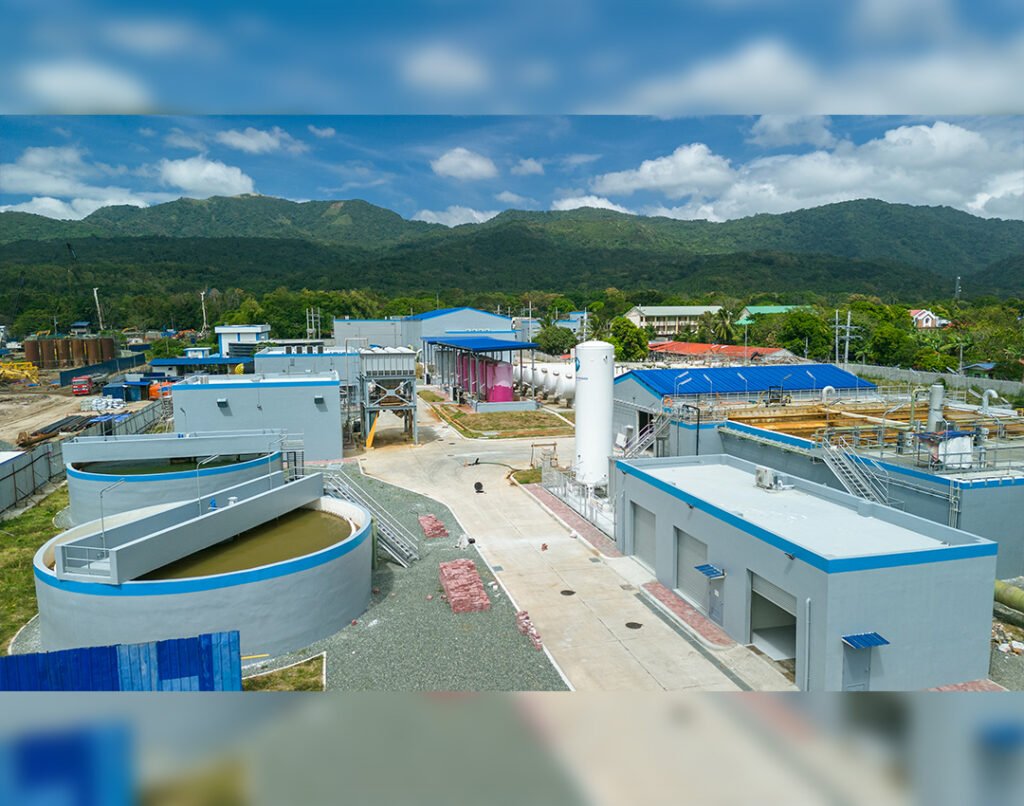

Through its subsidiary WawaJVCo, Manila Water continues to strengthen efforts to support public safety and resiliency during the rainy season, especially in communities downstream of Upper Wawa Dam.
Recent rains that caused Upper Wawa Dam to reach overspill levels highlighted the importance of timely monitoring, information sharing, and close coordination among water authorities and local government units to help downstream communities stay prepared during severe weather events.
Through its subsidiary WawaJVCo, Manila Water continues to strengthen efforts to support public safety and resiliency during the rainy season, especially in communities downstream of Upper Wawa Dam.
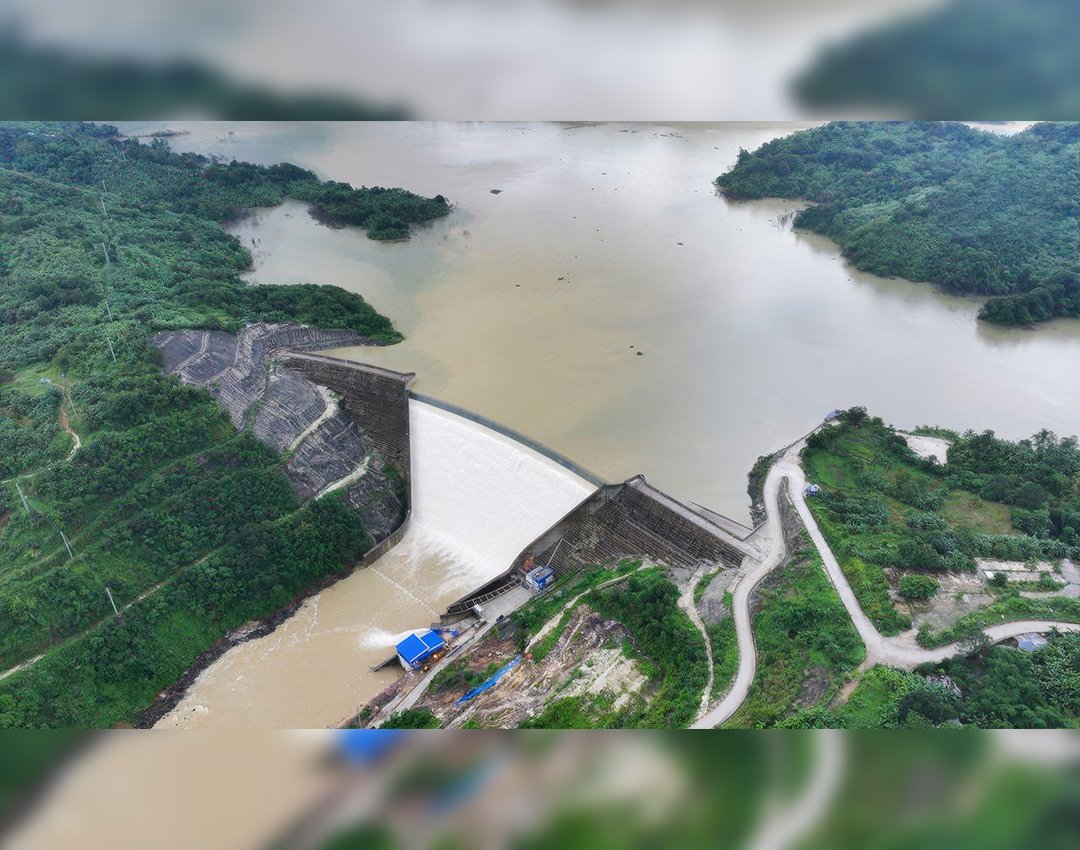
Beyond water security, the Upper Wawa Dam, located in Montalban, Rizal, highlights the role of modern infrastructure in building climate resilience and safeguarding communities. While designed as a water supply source, it has also become an important flood mitigation measure, helping reduce flooding in Rizal and Marikina City by capturing excess rainfall.
With a 262-square-kilometer watershed, a 120-million-cubic-meter reservoir, and features such as a stepped chute and stilling basin, the dam regulates downstream flows, reduces erosion, and lowers flood risks for nearby communities.
Recent rains that caused Upper Wawa Dam to reach overspill levels highlighted the importance of timely monitoring, information sharing, and close coordination among water authorities and local government units to help downstream communities stay prepared during severe weather events.
Upper Wawa Dam commonly reaches its Full Supply Level (FSL) of 135 meters above sea level (masl) during the rainy season, particularly during typhoons and periods of intensified southwest monsoon (habagat) activity, often resulting in overspill conditions. Overspill occurs when water naturally flows through the dam’s spill structure once the reservoir reaches its designated operating capacity. This is a normal part of dam operations designed to safely manage excess inflows during periods of heavy rainfall.
The recent intensification of Habagat prompted heightened monitoring of reservoir levels and watershed conditions, allowing WawaJVCo and relevant government agencies to closely track developments and provide timely updates to communities and stakeholders.
“Events like these underscore the value of having robust monitoring systems and clear communication channels in place. The ability to continuously monitor conditions and promptly share information helps support preparedness efforts among local government units and communities,” says Joe Costales, General Manager of WawaJVCo.
As part of its operational protocols, WawaJVCo closely coordinates with concerned local government units, disaster risk reduction and management offices, and other stakeholders whenever significant changes in reservoir conditions are observed. When water levels approach elevations that may have implications for downstream areas, hourly advisories are issued to concerned LGUs to support timely decision-making and appropriate response measures.
The Company also emphasized the importance of monitoring conditions across the broader watershed, particularly during periods of intense rainfall. The Upper Wawa watershed receives inflows from several tributaries, while downstream river conditions are influenced by various waterways connected to the Marikina River system, including the Puray River, Manga River, Nangka River, Ampid Creek, and Burgos Creek. Rainfall across these areas, together with reservoir and river conditions, contributes to the overall water situation experienced by communities downstream.
According to WawaJVCo’s monitoring parameters, a reservoir elevation of 136 masl may result in corresponding effects on downstream river monitoring stations depending on prevailing weather and watershed conditions. This highlights the need for continuous monitoring and coordination, particularly during prolonged rainfall events.
With the rainy season in full swing, Manila Water encourages residents to remain informed through official advisories issued by local government units and disaster management offices. The Company also reiterates the importance of preparedness, vigilance, and adherence to guidance from local authorities during periods of heavy rainfall.
Manila Water remains committed to maintaining safe and responsible dam operations while working closely with government agencies and local communities to enhance preparedness, strengthen resilience, and support public safety amid increasingly unpredictable weather conditions.
 267
267